
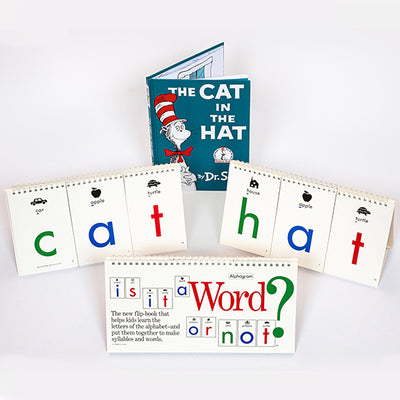
by Ellen Shapiro As a creator of materials designed to help children learn to read, I’m a longtime champion of The Cat In The Hat as a beginning reader. It’s not only engaging and funny, it helps kids learn to read C-V-C words, three-letter words with a beginning consonant, a short vowel, and an ending consonant like cat and hat, sit and bit, man and fan, bed and red. When children understand that an alphabet letter is a symbol that represents a sound and begin to decode the basic building blocks of written language, they are on the way to “cracking the code,” that is, learning to read longer and more complex words, sentences and, soon, books. It’s exciting to see them grasp that when the initial consonant changes, the ‘at’ part stays the same. Aha! Suddenly, they can read a series of words including bat, fat, rat, mat, sat… and are inspired to want to learn more. When the vowel changes and the CVC becomes bit, fit, hit, sit and wit, a whole new series of words is...
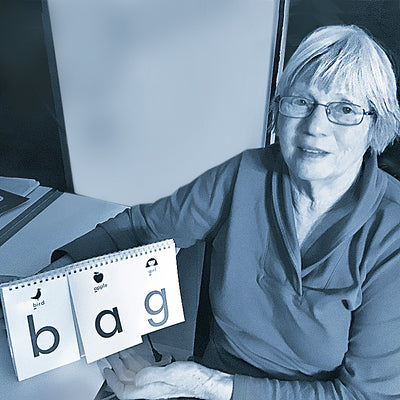
by Hazel Goodwin Kim, MD
Developmental-Behavioral Pediatrician, Brooklyn, NY.
Hazel is also is a much-beloved private reading tutor and longtime Alphagram champion who has helped many inner-city kids learn to read. Here are her tips for you:
Children love discovering how to put sounds together. When they touch a letter and say the sound, magic happens! Using the “Is It a Word–Or Not?” flip-book to make that happen will be most successful if you help your child use three senses to differentiate the letters of the alphabet and understand the sounds they represent:
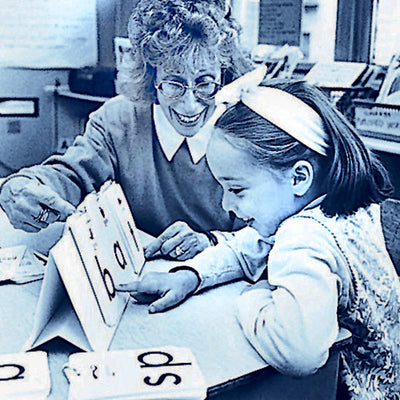
by Dee Falk
K-12 Resource Teacher, Stromsburg Public Schools, Stromsburg, Nebraska
If you are the parent of a 6- to 8-year-old (first to second grade) child who is struggling to “crack the code” of reading, you are not alone. Don’t panic. Do some observing. What skills does your child have? What does he or she need more help with? Answering the questions below will give you a better idea of what to do next.